Automated Trading Bots: Pros And Cons For Retail Investors
Mike Fakunle
|
April 7, 2026
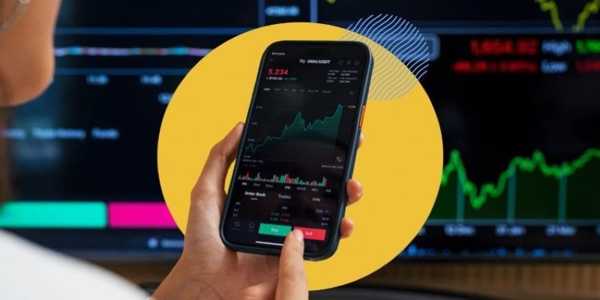
Like automated ordering systems, automated trading bots can execute buying and selling orders on behalf of investors using certain computations preset within the system. Their increasing adoption in stock and crypto trading is attributed to efficiency, speed, market monitoring, and convenience. For individual and retail investors, these bots mitigate the burden of decision-making, both in terms of time and by removing emotional volatility during market fluctuations.
Regardless of their benefits, trading bots do pose risks and challenges. This article explains the advantages, possible disadvantages, operational processes, costs, choosing criteria, and alternatives, all aimed at assisting investors in making up their minds on the suitability of bots.
What Is An Automated Trading Bot, And How Do They Operate?
Automated trading bots process buying and selling orders as a result of certain computations made within the system. These bots collect and process data on price, volume, and even trends to create a profile of market opportunities.

Buying Algorithms constitute the market side of the execution of trades. They usually search the market and conduct automated buying at a predetermined price level or preset conditions, whenever the conditions to initiate an order arise. Stock trading bots typically operate on regulated stock market-regulated exchanges, whereas crypto trading bots are commonly found on Binance and KuCoin, which remain operational 24/7.
For instance, a bot can be set up to purchase Bitcoin when its price drops by 3% in an hour, and then sell when it increases by 5%. This entire process occurs in a matter of seconds, automatically.
Are Trading Bots Beneficial To Individual Investors?
The reasons why investors choose trading bots include:
Execution of trades in split seconds when compared to manual trading.
Monitoring of the market systems 24/7.
Removing trades made out of emotional bias.
These reasons and benefits are helpful. Having realistic expectations, however, is critical. Bots can execute trading strategies, and while a knowledgeable individual may control them, no system can guarantee profits like a trading bot. They can only guide you through the process when partnered with a good trading strategy and a strong management of the risks involved. For those starting, a good market strategy is a necessity, or trusting a bot to do the trading for you may lead to unwanted losses.
Different Types Of Automated Trading Bots
Bots For Trading Cryptocurrencies
These bots are operational on platforms such as Binance, KuCoin, and Bybit, helping users capitalise on the volatility of crypto 24/7.
Bots For Trading Stocks
Stock bots are designed to serve equities and other regulated markets. They are offered by businesses such as MetaTrader and TradeStation.
Bots For Arbitrage:
These can exploit discrepancies in pricing between different exchanges to earn small, rapid profits.
Bots That Follow a Trend:
They enter trades in the direction of a bullish or bearish market, tracking prevailing trends.
AI And Machine Learning Bots
Employ historical data and market trends to describe the self-evolving adaptive strategies.
Benefits Automated Trading Bots Offer Small-Scale Investors
1. Trade Execution Is Lightning Fast And Exact
Opportunities cannot be missed because bots place orders immediately after threshold conditions have been met.
2. No Emotion-Driven Trading Choices
Consistency is maintained because actions triggered by fear and greed are instantaneously ignored.

3. Trading Strategies Can Be Backtested
Motivated investors can test a bot's simulated performance using historical data before investing actual money.
4. Comprehensive Market Surveillance
Bots are handy for monitoring the constantly open cryptocurrency markets.
5. Handle Multiple Trades Simultaneously
Different markets and asset classes can be transacted simultaneously by bots.
Automated Trading Bots: Drawbacks And Risks
1. Market Volatility Can Be Financially Disastrous
Sudden news events can instantly trigger lightning-fast price changes triggered by bots.
2. Downtime And Technical Failures
Operations can be suspended due to internet issues, server failures, or software bugs.
3. Trading Bots: Shrinkflation Edition
Subscription fees, coupled with broker commission and profit spread, all contribute towards hidden trading fees.
4. Fraud And Non-Existent Bots Risk
Claimed results and reality may differ significantly as some providers utilise outdated algorithms to generate results for bots.
5. Limited Adaptability
Performance might lag for bots if the market changes dramatically from the periods they have been backtested on.
Trading Bots Price Overview
While some automated trading bots are free and open source, others may cost between $20 and $200 per month. Specific platforms have API connection fees, and trading fees from brokers or exchanges could impact profitability, making it crucial for traders to evaluate the automated trading bot's estimated total cost.
How To Choose The Best Automated Trading Bot
Review Verified Performance Metrics
Seek out business performance benchmarks provided by credible and verifiable sources.
Know The Bot’s Strategy
Understand how the bot functions to guarantee the best entry and exit decision points for your trading.
Security
Check if the trading bot provides measures like limited API key permissions and withdrawal-free accounts to safeguard the funds.
User Community And Support
Forums with an active user base coupled with fast responding support teams are a good sign.
Trial Or Demo Mode
Check performance without risking any funds.
Best Practices For Trading Bots To Ensure Safety
Performance confirmed, investors can then increase the capital.
Regularly check the trades and performance measurement indicators.
Always have a backup of the internet and device resources.
Update all essential software to minimise exposure to automated threats.
Automated execution of trades should be reviewed manually.

Who Should Use Trading Bots (And Who Should Avoid Them)
Good Fit
Traders with a defined strategy, but limited availability to monitor the markets.
Investors are looking to automate processes.
Bad Fit
Anyone with no prior market knowledge who expects to invest and then watch the returns come in.
Individuals who do not want to regularly check performance metrics.
Alternatives To Automated Trading Bots
Social and copy trading: Participate in trades made by other, usually more experienced, traders.
Alert-based manual trading: Receive notifications for when to enter or exit the market.
Robo-advisors: These automated systems focus on a portfolio’s long-term performance instead of short-term trades.
Deciding Whether To Use a Trading Bot
While trading bots can provide automated execution for retail investors, with speed, market responsiveness, and no emotions getting in the way, these bots can still be prone to malfunctioning, unexpected costs, and other risks. Automated trading systems should not be seen as effortless solutions to profits. Begin with a smaller investment that can be closely monitored, and then recalibrate the deployment of trading bots based on the trading strategy and market conditions.
Sources
Recent Posts
-
![]()
How To Open A Brokerage Account For Beginners
-
![]()
6 Best Platforms For Beginners In Stock Trading
-
![]()
How To Spot Early Signals Of Stock Market Bubbles
-
![]()
10 Best AI Stocks To Buy And Hold For Long-Term Growth
-
![]()
How To Set Stop-Loss Orders To Protect Your Investments
-
![]()
How To Start Investing In Stocks: Your 2025 Beginner's Guide